
How to Design a Ready-to-Wear (RTW) Clothing Line: Sourcing to Production
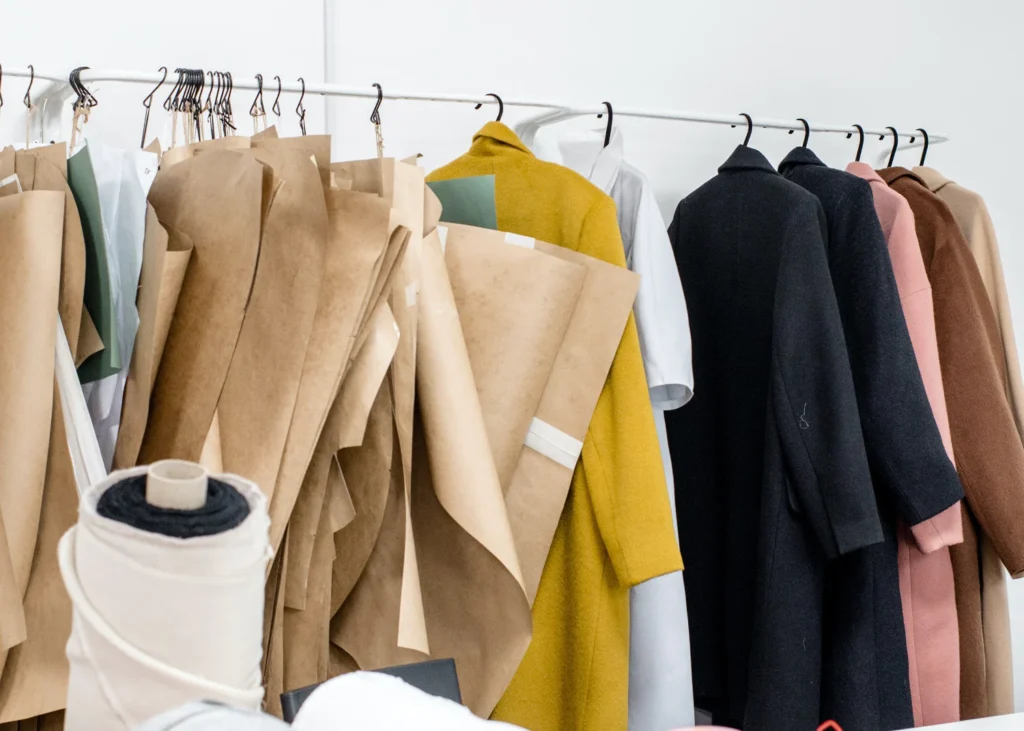
The global apparel marketplace is divided into two primary categories: Haute Couture (custom, high-end bespoke garments made for individual clients) and Ready-to-Wear, also known as Prêt-à-Porter. Ready-to-Wear lines are factory-manufactured collections produced in standardized sizing ranges, designed for commercial mass distribution and immediate consumer wear. For professional fashion designers working within retail corporations or running independent apparel labels, mastering the Ready-to-Wear pipeline is essential for commercial viability. Launching a successful RTW collection requires balancing creative aesthetic styling with industrial manufacturing logic, strict size grading matrices, and clear material cost constraints. This guide delivers a technical breakdown of the complete Ready-to-Wear apparel manufacturing pipeline. The 4 Critical Phases of the RTW Production Pipeline Transforming an initial creative design sketch into a commercial clothing line across national retail storefronts involves a structured production pipeline: Trend Research and Creative Collection Concept The journey begins nearly a year before the clothes hit retail floors. Designers analyze global forecasting metrics, establish a clear seasonal color narrative, select core textile blends, and sketch out a cohesive capsule collection of 15 to 25 interrelated garment styles. Technical Specification Sheet (Tech-Pack) Generation Once concepts are approved, the designer creates highly detailed technical blueprints using Adobe Illustrator. A professional Tech-Pack contains accurate flat technical drawings, exact stitching specifications, detailed measurement charts, fabric composition codes, and precise trim descriptions required by production factories. Industrial Size Grading and Pattern Engineering The production team translates the base sample garment pattern into a complete range of standard retail sizes (e.g., XS, S, M, L, XL). This process uses advanced digital grading systems to adjust proportions accurately, ensuring a consistent and comfortable fit across all sizes. Fabric Sourcing, Lay-Planning, and Mass Production Raw fabrics are sourced in bulk directly from textile mills. Production technicians execute computerized lay-planning to arrange pattern pieces tightly across massive fabric layers, minimizing fabric waste during automated industrial cutting and subsequent factory assembly lines. Essential Business Considerations for RTW Success Operational Stage Key Deliverables Critical Focus Point 1. Fabric Procurement Bulk sourcing from mills and traders Ensuring consistent color dye lots and texture continuity 2. Tech-Pack Design Detailed Adobe Illustrator spec files Preventing measurement errors in offshore factories 3. Size Grading Multi-size digital pattern calculation Maintaining comfortable, standardized real-world fits 4. Cost Control Calculating exact cost-per-garment Protecting wholesale and retail business margins Building an Industry-Ready Skill Set Excelling in the fast-paced Ready-to-Wear sector requires combining creative artistic vision with disciplined technical skills, software proficiency, and an understanding of commercial production systems. At The Design Zone, our students master the entire apparel lifecycle—from initial concept sketching and digital tech-pack creation to pattern grading and industrial manufacturing logic—graduating with the practical skills demanded by top fashion brands.
The Art of Fabric Draping: Moving Design from Flat Paper to Three Dimensions
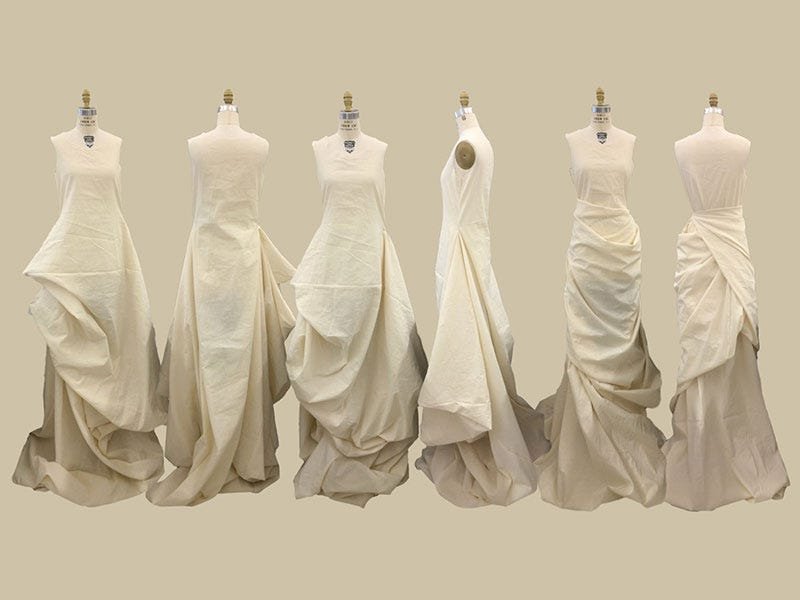
Within the professional apparel industry, fashion design operates through two distinct methodologies: flat pattern drafting and structural fabric draping. While flat pattern making relies on mathematical formulas and geometric drawings on flat drafting sheets, draping is an organic, three-dimensional approach where the designer works directly with fabric on a physical dress form mannequin. Draping—historically known as ‘Moulage’ in classic French haute couture—is considered the most artistic and pure form of garment construction. It allows a fashion professional to see exactly how a textile hangs, stretches, folds, and moves in real time. Mastering this structural technique is essential for creating high-end bridal couture, flowing evening wear, and avant-garde tailored silhouettes. This guide analyzes the essential stages of professional fabric draping. The Structural Process of Professional Draping Executing a successful draped garment requires a methodical, disciplined blend of creative experimentation and structural control: Preparation with Muslin Fabrics: Designers do not use expensive silk or velvet for initial draping experiments. Instead, inexpensive unbleached muslin fabric with a similar weight and drape profile is utilized to explore structural concepts and adjust design elements safely. Establishing Grain Lines and Alignment: Before pinning fabric to the mannequin, the designer must identify and mark the true grain lines—the warp and weft directions—of the material. Slicing or pinning fabric off-grain causes the garment to twist uncomfortably and drape unevenly on a human body. Pinning and Sculpting and Marking: The muslin is pinned systematically to the dress form’s balance points (the center front, shoulder seam, apex, and side seams). The designer smooths, pleats, or gathers the textile around the form, tracing structural seam lines using specialized design tape. Why Draping is Vital for an Elite Design Portfolio Top fashion houses and design directors look for candidates who can demonstrate deep technical draping skills within their professional design portfolios: Deep Visualization of Architectural Silhouettes Draping allows you to explore complex, organic shapes—such as asymmetrical cowl necklines, structured origami folds, or dramatic bias-cut gowns—that are incredibly difficult to draft accurately using flat 2D paper formulas. Authentic Understanding of Fabric Character Every textile possesses a unique personality. A stiff cotton brocade behaves entirely differently from a lightweight silk chiffon. Working in three dimensions helps designers understand fabric weight and grain orientation intimately, preventing execution mistakes. Elevated Professional Presentation Work Including high-resolution photographs of your draping process—showing your pinned muslin iterations on the studio mannequin alongside your final garments—adds immense depth to your portfolio, proving to design directors that you possess elite technical design skills. Studio-Based Training at The Design Zone Mastering structural fabric draping requires dedicated practice, professional equipment, and direct expert guidance. The Design Zone provides fully equipped, modern garment labs where students learn classic couture draping, pattern engineering, and textile science from experienced fashion industry professionals.