
Digital Fashion Design: How Software Like CLO 3D is Changing the Apparel Industry
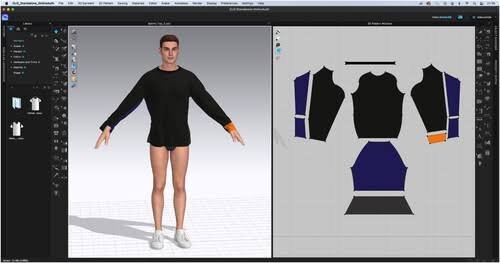
The global fashion industry is undergoing a massive digital transformation. Historically, creating a fashion collection required a slow, resource-intensive physical sampling pipeline: sketching concepts, drafting paper patterns, cutting sample fabrics, sewing prototype garments, conducting fit checks on models, and starting over due to fit adjustments. This legacy approach resulted in major production delays and billions of tons of wasted textile scraps globally. In 2026, advanced software suites like CLO 3D and Marvelous Designer have completely re-engineered this workflow. Digital fashion design allows professionals to build, simulate, test, and style detailed garments inside a three-dimensional virtual environment. For modern fashion design students, mastering digital garment modeling is no longer an optional skill—it is a critical professional requirement demanded by global retail brands and export apparel houses. The Core Mechanics of 3D Fashion Simulation CLO 3D operates by bridging two-dimensional pattern drafting directly with three-dimensional physics engines. The software simulates how physical materials behave in the real world: Accurate Material Physics Customization: Users can input precise fabric parameters—such as fabric weight, elasticity, weave thickness, stiffness, and friction coefficients—ensuring the digital fabric drapes, folds, wrinkles, and flows identically to its real-world counterpart. Interactive Avatar Fit Testing: Designers can adjust the physical dimensions of digital avatars, enabling comprehensive fit testing across diverse body types and sizes without cutting physical muslin samples. Instant Global Styling Modifications: Changing seam styles, modifying pocket placements, or swapping digital color prints can be executed instantly with a few clicks, providing real-time visual updates to the design team. Strategic Industry Advantages of Digital Workflows Adopting digital design workflows provides apparel brands, independent labels, and export manufacturing houses with massive competitive advantages: Dramatic Cost Reduction in Sample Production By validating garment styles, fit details, and aesthetic proportions virtually before physical manufacturing begins, brands eliminate multiple iterations of physical sample garments, saving massive amounts of raw fabric and labor capital. Accelerated Speed to Retail Markets Traditional collection planning cycles can take several months from initial sketch to production-ready design. Digital fashion pipelines allow brands to design, refine, and approve technical patterns within days, helping them respond rapidly to fast-moving apparel trends. Impeccable Tech-Pack Engineering CLO 3D automatically updates 2D pattern data when changes are made to the 3D model. This accurate pattern data translates directly into flawless technical sheets and digital spec packs, ensuring export production factories manufacture lines with zero measurement errors. The Future of Fashion Careers As international apparel corporations and digital e-commerce platforms transition toward fully digital design pipelines, job candidates with advanced 3D modeling skills command premium salary packages. The market is shifting rapidly toward tech-enabled creative professionals who can comfortably navigate digital design tools. At The Design Zone, we ensure our students stay ahead of industry shifts by integrating advanced CLO 3D modeling, digital pattern making, and Adobe Illustrator design workflows directly into our core fashion curriculum.
How to Start Your Own Fashion Boutique in Bangalore: A Step-by-Step Business Guide

For many passionate fashion designers, the ultimate career milestone is launching an independent fashion boutique and clothing brand. Bangalore—with its affluent, style-conscious population, thriving multi-cultural lifestyle, and massive retail apparel economy—provides an ideal launching pad for creative entrepreneurs. However, building a successful boutique requires blending creative design talent with disciplined business operations, supply chain logistics, and strategic brand marketing. Many independent boutiques fail within their first two years not due to poor design collections, but because of operational missteps: poor material sourcing, incorrect price margins, or weak digital visibility. This comprehensive entrepreneurial guide delivers a practical roadmap to launching a profitable fashion brand in Bangalore, exploring fabric sourcing, cost structures, and digital marketing. Step 1: Identifying Your Specific Market Niche The modern retail apparel market is intensely competitive. Trying to sell everything to everyone—casual wear, bridal wear, western clothing, and sportswear—dilutes your brand voice and confuses your target consumers. Successful boutiques focus on a distinct niche: Conscious Premium Resort Wear: Capitalizing on the growing demand for sustainable linen, handloom cotton, organic dyes, and zero-waste designs preferred by conscious urban consumers. Bespoke Festive and Couture Bridal lines: Targeting luxury wedding events and festive markets with high-end customized lehengas, bridal gowns, and heavy surface ornamentation services. Contemporary Indo-Western Office Apparel: Providing premium comfort office wear and smart-casual separates tailored specifically for modern women working across corporate environments. Step 2: Hyper-Local Fabric Sourcing and Supply Chains Your boutique’s profit margins depend directly on your raw material procurement capabilities. Designers must know how to navigate Bangalore’s local textile and wholesale trade centers effectively: Commercial Street & Chickpet Wholesale Hubs For independent labels, Chickpet is a vital wholesale market for sourcing pure silk, raw cotton, linens, and diverse traditional textiles directly from weavers at production costs. Commercial Street provides excellent specialized access to trim materials, premium buttons, custom laces, and specialized embroidery supplies. Sourcing from Karnataka Textile Clusters Connecting directly with handloom weaving cooperatives across areas like Ilkal or Molakalmuru allows boutique owners to source exclusive, authentic textiles. This direct sourcing strategy bypasses middleman costs while building a compelling, authentic brand narrative. Establishing Reliable Production Workshops You must secure a skilled production crew consisting of master pattern cutters and specialized tailors. Meticulous quality control over stitching quality, seam finishing, and size grading is non-negotiable for positioning your boutique as a premium alternative to mass market retail chains. Step 3: Calculating Pricing Structure and Profit Margins Incorrect pricing calculations can quickly drain an independent business. Your retail price must account for every element of production, overhead, and distribution: Direct Cost of Goods Sold (COGS): This includes the cost per meter of the base fabric, lining materials, threads, buttons, brand tags, custom labels, packaging bags, and the direct cost of labor per garment. Operational Overhead Allowances: Factor in studio or shop space rental fees, electricity bills, monthly marketing expenses, website hosting fees, and shipping costs into your business accounting equations. Target Healthy Retail Margins: For an independent boutique, your gross profit margins should ideally range between 60% to 70% of the final retail price. This buffer provides the financial health needed to fund subsequent collection lines and absorb seasonal sales drops. The Value of Professional Foundation Training Running a fashion boutique requires an extensive blend of creative pattern mastery, material understanding, and retail business training. At The Design Zone, our specialized entrepreneurial modules guide students through the actual mechanics of brand creation, collection manufacturing, and retail operations, helping them transform creative concepts into profitable businesses.
Navigating the Modern Fashion Design Industry: A Career Blueprint for Aspiring Designers

The fashion industry has moved far beyond traditional boutique tailoring into a highly technical, multi-billion-dollar global ecosystem. Bangalore sits at the unique intersection of this transformation, serving as the core engine for India’s Fashion-Tech startups, major retail apparel brands, export manufacturing houses, and sustainable fashion labels. From digital garment manufacturing to high-end couture styling, the market is constantly hunting for fresh, innovative talent equipped with contemporary design skills. Succeeding as a modern fashion designer requires more than basic sketching abilities. It demands a holistic understanding of textile science, garment construction, digital tools, and collection development. Whether your goal is to launch your own independent boutique label, manage a major corporate retail brand, or style for premier editorial houses, this comprehensive guide outlines the pathways, technical skills, and industry realities of the fashion world. The Contemporary Fashion Ecosystem The modern landscape is driven by shifting consumer preferences, technological innovation, and conscious lifestyle habits. Aspiring professionals should track three dominant structural industry trends: Digital Design Workflows (3D Fashion): Fashion houses have shifted from manual physical sampling to digital pattern simulation. This allows brands to test fits, view fabric drapes, and adjust styling on virtual avatars before cutting any physical material, drastically cutting down on production waste. Conscious & Sustainable Production: Consumers increasingly demand transparency in supply chains. Modern designers are focusing heavily on organic linen, natural plant dyes, upcycling techniques, and working directly with traditional handloom weaving clusters to create eco-friendly collections. Premium Indo-Western Fusion Categories: The ready-to-wear market has seen massive growth in contemporary silhouettes that blend traditional Indian surface ornamentation and hand-blocked prints with minimalist western cuts, matching the lifestyle needs of modern working professionals. Specialized Career Options in Fashion The fashion sector offers diverse job roles that match different creative and technical strengths: Fashion Apparel Designer The core creative position responsible for developing seasonal clothing collections. Apparel designers sketch initial concepts, create technical specification sheets, curate color palettes, select fabrics, and guide the pattern-making team to transform creative visions into commercial clothing lines. Fashion Stylist & Image Consultant Stylists work across digital e-commerce platforms, advertising agencies, media production houses, and celebrity management firms. They curate visual looks, manage wardrobe coordination, and build the visual narratives seen in commercial ad campaigns and editorials. Fashion Entrepreneur & Boutique Owner For individuals who want to build an independent brand identity. This career track involves establishing an independent label, handling raw material fabric sourcing from trade centers, managing local production units, and utilizing digital e-commerce channels and fashion pop-ups to reach consumer audiences. Core Professional Competencies Demanded by Employers To stand out in the competitive apparel industry, your skill set must align with what major design labels and corporate retail giants actively look for: Garment Construction & Technical Draping: You must understand the behavior, weight, weave structure, and grain line of different fabrics. Technical draping—manipulating fabric directly on a dress form mannequin—allows you to explore structural folds and create flawless garment patterns. Digital Software Proficiency: While manual sketchbooks remain valuable for initial brainstorming, professional production environments operate on digital tools. Adobe Illustrator and Photoshop are used for creating precise flat technical sketches and detailed spec packs, while CLO 3D allows designers to drape patterns onto digital avatars and run virtual fit tests. Surface Ornamentation & Textile Science: Deep, practical knowledge of embroidery styles, block printing, fabric dyeing, fabric printing, and fabric properties (natural vs. synthetic fibers) allows you to choose the exact material combinations for your designs. Industry Income & Progression Metrics Professional Path Entry Level (0-2 Yrs) Mid-Weight (3-5 Yrs) Senior Director / Lead Apparel Designer Rs 3,20,000 – 4,50,000 Rs 5,50,000 – 9,00,000 Rs 12,00,000 – 22,00,000+ Fashion Stylist Rs 3,00,000 – 4,20,000 Rs 5,00,000 – 8,00,000 Rs 10,00,000 – 15,00,000+ Pattern Technologist Rs 3,60,000 – 5,00,000 Rs 6,00,000 – 10,00,000 Rs 14,00,000 – 18,00,000+ Independent Label Owner Varies by Launch Scale Rs 60,000 – 2,00,000 / mo Unlimited Scale Potential Develop Your Talent at The Design Zone Breaking into the competitive fashion industry requires a combination of creative experimentation and practical business insights. The Design Zone provides a modern creative hub built to transform aspiring talents into market-ready designers. Our structured training programs strip away unnecessary academic filler to focus completely on studio-based pattern drafting, fabric manipulation, advanced digital fashion software, and comprehensive collection development. Learning alongside experienced couturiers, textile experts, and retail supply chain consultants, you will build your unique design voice while mastering industry-standard production skills.
10 Interior Design Skills Every Student Must Learn in 2026
10 Interior Design Skills Every Student Must Learn in 2026 10 Interior Design Skills Every Student Must Learn in 2026 Interior design looks exciting from the outside. Beautiful homes, stylish cafés, premium offices, smart spaces, and stunning before and after transformations make the field feel creative and aspirational. But in 2026, the students who actually build strong careers in interior design are not just the ones with good taste. They are the ones who develop the right skills early, including the ones many beginners overlook. Interior design in 2026 is no longer just about making a room look attractive. It sits at the intersection of creativity, functionality, technology, sustainability, and user experience. Careers360’s current admission and syllabus guidance describes interior design as a field that involves planning spaces to be functional and visually appealing, with work spanning homes, offices, hotels, restaurants, studios, museums, and more. That alone tells students something important: interior design is broader and more technical than many people assume. At the same time, the design ecosystem around this profession is getting more demanding. Students entering now are expected to understand digital tools, modern materials, sustainable thinking, communication, and project coordination, not just colour and décor. Careers360’s 2026 design specialization guidance lists communication, artistic skill, creativity, computer and digital skills, organizational ability, and sustainable work among the core skill areas linked to interior design. That is a strong sign that the market now rewards multi skilled designers, not one dimensional ones. So if a student is serious about building an interior designing career in India, the smartest question is not simply, “Do I like interiors?” It is, “What skills do I need to become employable, adaptable, and future ready in 2026?” This blog answers that clearly, with a focus on the interior design skills students should start building now if they want a real advantage later. Table of Contents: Why Skills Matter More Than Ever in Interior Design The 10 Interior Design Skills Every Student Must Learn in 2026 Skill Comparison Table: What Students Focus On vs What the Industry Actually Values A Simple Skill Readiness Chart for Interior Design Students How These Skills Connect to Salary and Career Growth What This Means for Students Choosing Interior Design Now Final Verdict Why Skills Matter More Than Ever in Interior Design A few years ago, many students could still enter interior design with strong visual taste and then learn the rest gradually. That is becoming harder. Current course guidance shows that interior design training now includes space planning, furniture design, lighting design, colour theory, sustainability, and digital tools. In other words, the profession has become more layered, and so has the skill set required to do well in it. Technology has played a major role in this shift. Autodesk highlights AutoCAD as a widely used 2D and 3D CAD platform for design professionals, while Revit is positioned as BIM software that supports design learning and model based workflows. Careers360’s college and course guidance also notes that interior design students are increasingly trained on tools such as AutoCAD, SketchUp, Revit, and Adobe Creative Suite. That means software fluency is no longer optional for serious students. It is becoming part of the basic professional toolkit. At the same time, sustainability is becoming a real design expectation, not just a trend word. IGBC says the green building movement in India is growing faster and is creating strong demand for trained professionals in design, construction, operations, materials, and technologies. For interior design students, that means sustainable thinking is now a career skill, not an extra topic. The 10 Interior Design Skills Every Student Must Learn in 2026 1. Spatial Planning This is one of the most fundamental and non negotiable skills in interior design. A student may have a great eye for aesthetics, but if they do not understand how people move through space, how layouts affect usability, and how function shapes design, their work will remain surface level. Careers360’s course and syllabus pages repeatedly highlight space planning as a central part of interior design education, which reflects its importance in actual practice. Spatial planning is the skill that turns a room from “pretty” into “livable.” It affects circulation, comfort, proportions, zoning, furniture placement, and how a user experiences a space over time. Students who learn this early usually become much more confident in solving real design problems, not just decorating around them. 2. Design Software Fluency In 2026, digital skills are central to interior design readiness. Students should be comfortable with drafting and visualization tools, especially AutoCAD, SketchUp, and Revit. Autodesk describes AutoCAD as a widely used CAD platform for 2D and 3D design work, and Revit as BIM software that supports design principles, model based workflows, and more structured coordination. Careers360’s current college guidance also confirms that industry standard training often includes AutoCAD, SketchUp, Revit, and Adobe tools. This skill matters because software is not just about making presentations look polished. It helps students communicate dimensions, layouts, material choices, lighting plans, and visualization much more clearly. It also reduces misunderstandings and prepares students for studio and firm environments where digital delivery is part of daily work. 3. Material Knowledge A strong interior designer must understand materials beyond their appearance. Students need to know how materials behave, where they work best, how durable they are, how they affect maintenance, and whether they are suitable for a specific climate or function. Careers360’s interior design syllabus and course guidance show that material selection and practical understanding are part of serious interior design training. This is where design becomes real. A student who understands materials can make better decisions about flooring, finishes, upholstery, wood, laminates, lighting surfaces, and user comfort. Without that knowledge, even a beautiful idea may fail during execution. 4. Lighting Awareness Lighting is one of the most underrated design skills among beginners. Many students notice furniture and colours first, but not how lighting shapes mood, visibility, depth, and functionality. Careers360 includes lighting design among the core aspects covered in interior design
Top Skills Required for Fashion Designing in 2026 That Most Students Ignore
Top Skills Required for Fashion Designing in 2026 That Most Students Ignore Top Skills Required for Fashion Designing in 2026 That Most Students Ignore Fashion designing looks exciting from the outside. Sketches, ramps, collections, styling, and social media make it feel glamorous and creative. But in 2026, the students who actually build strong careers in fashion are not just the most creative. They are the ones who develop the right skills early, including the ones most beginners completely overlook. Many students still enter fashion designing thinking the field is mainly about drawing beautiful outfits or having a strong sense of style. That is no longer enough. Fashion today is moving through digital transformation, faster product cycles, sustainability pressure, and more value conscious consumers. McKinsey’s State of Fashion 2026 describes a global industry adapting to “constant change,” with macroeconomic pressure and operational complexity shaping how brands work and hire. That means students now need a more practical, future ready skill set than they did even a few years ago. At the same time, fashion education itself is changing. NIFT’s 2026 prospectus highlights areas such as adaptive fashion, inclusivity, and 3D apparel CAD and simulation, showing that the training landscape is expanding beyond traditional sketching and garment aesthetics. In other words, the fashion industry in 2026 is asking for designers who can think creatively, work digitally, understand production realities, and respond to real market needs. So if a student is planning to build a serious fashion designing career in India, the real question is not just Do I have talent? It is Do I have the right skills to stay relevant, employable, and adaptable in 2026? This blog breaks that down clearly. Table of Contents: Why Skills Matter More Than Ever in Fashion Designing The Most Overlooked Fashion Designing Skills in 2026 Skill Comparison Table: What Students Focus On vs What the Industry Actually Wants A Simple Career Readiness Chart for Fashion Students How These Skills Connect to Salary and Growth What This Means for Students Choosing Fashion Designing Now Final Verdict Why Skills Matter More Than Ever in Fashion Designing Fashion is still a creative field, but creativity alone no longer guarantees a career. Current job and training guidance increasingly emphasizes digital design, faster prototyping, stronger technical accuracy, and better awareness of how products move from idea to market. CLO focused career guidance and 2026 software trend roundups both point to a clear shift: tools like Illustrator, Photoshop, CLO3D, CAD systems, and production linked workflows are becoming much more central to employability. This is one reason some students struggle even after finishing a course. They may know the basics of design, but not the skills that fashion brands, manufacturers, and new age labels actually value. A strong portfolio, software confidence, textile understanding, and business awareness often make a bigger difference than surface level creativity. Career guidance on becoming a fashion designer still highlights essentials like colour, form, sewing, and pattern cutting, but newer course and industry sources now place those alongside digital and market facing skills. The Most Overlooked Fashion Designing Skills in 2026 Below is where things get real. These are the skills students often ignore in the beginning, but they are exactly the ones that shape how well a designer performs in the industry. 1. Technical Garment Knowledge Many students focus heavily on the final look of a garment but ignore what makes it actually work. Technical garment knowledge includes pattern making, sewing logic, fit, construction, and fabric behavior. Careers360’s fashion designer career guidance still treats sewing and pattern cutting as basic professional requirements, and 2026 fashion skill roundups continue to place technical execution at the core of design readiness. This matters because a design that looks strong on paper can fail completely in production. If a student does not understand seam allowance, drape, silhouette balance, or how a fabric behaves under movement, the concept may stay only as an idea. The students who grow faster are usually the ones who understand both creativity and construction. 2. Digital Design and 3D Visualization This is one of the biggest shifts in fashion designing today. 3D fashion and digital visualization are no longer niche skills. A 2026 analysis of job listings cited by Learn3D Fashion says Illustrator and Photoshop remain foundational, while 3D skills like CLO3D or Style3D are moving into mainstream demand. CLO centered resources also position digital apparel design as a core capability, while AAFT’s recent skills guide highlights advanced visualization and 3D design as highly relevant for 2026. These tools matter because they reduce sampling time, improve communication, and help designers visualize fit, fall, and proportion before creating physical samples. AAFT’s tech skills coverage specifically notes that digital draping helps evaluate garments before production and reduces time and material waste. That is not just a software benefit. It is an industry benefit. 3. Trend Forecasting and Market Awareness A good designer does not only ask, What do I want to create? They also ask, What is relevant now, and what will matter next? AAFT’s 2025 article on skills needed in 2026 includes trend forecasting, market research, and brand identity development among the most important future facing skills. McKinsey’s 2026 industry view also makes it clear that value conscious consumers, changing sentiment, and volatility are influencing what brands prioritize. That means students need to understand the market, not just moodboards. Fashion designers increasingly benefit from knowing consumer behavior, category demand, seasonality, and brand positioning. This does not make the field less creative. It makes creativity more useful. 4. Sustainability and Material Responsibility Sustainability is no longer a side topic in fashion education. It is becoming part of what responsible design means. NIFT’s 2026 prospectus includes adaptive fashion, inclusivity, and 3D apparel CAD and simulation, reflecting a broader move toward more conscious and relevant design education. Industry skill guides are also linking digital workflows to reduced material waste and smarter sampling. For students, this means sustainability is not just about saying the right words. It includes understanding fabric sourcing,
Is Interior Designing a Good Career in 2026? Complete Guide for Students in India

Is Interior Designing a Good Career in 2026? Complete Guide for Students in India Is Interior Designing a Good Career in 2026? What Students Must Know Before Choosing It With Pinterest worthy homes, smart living spaces, and design content everywhere on Instagram and YouTube, interior designing feels more visible and desirable than ever. But behind the beautiful rooms and trend driven aesthetics, is interior designing truly a stable and rewarding career in 2026, or are students stepping into a field they do not fully understand? Interior designing has become one of those careers that many students are drawn to for the right reasons and sometimes for the wrong ones. On one side, it offers creativity, lifestyle relevance, entrepreneurship, and a chance to shape how people actually live. On the other, it is often misunderstood as a career built only on taste, decoration, and visual appeal. The truth sits somewhere in between. In 2026, interior design is no longer just about making spaces look attractive. It is about planning functional environments, understanding human behavior, using design tools, responding to market trends, and increasingly, working with sustainability and smart technologies. That is exactly why students and parents need a clearer answer before choosing this path. For students who are creative, observant, practical, and interested in how spaces influence everyday life, interior designing can be a serious and future relevant profession. But like every good career, it rewards those who enter with clarity, skill, and the right training. This blog breaks down the real picture of interior designing in 2026, from scope and skills to salary and study options, so that students do not choose the field based on visuals alone, but on informed confidence. Table of Contents: The Reality of Interior Designing in 2026 Why More Students Are Choosing Interior Designing Today Is Interior Designing a Stable and Future Proof Career How the role has changed Skills You Actually Need to Succeed in 2026 Career Opportunities Beyond Just Becoming an Interior Designer Salary Expectations and Growth in India Simple salary growth chart for students The Challenges No One Talks About How to Start After 12th Why Choosing the Right Institute Matters Final Verdict: Is Interior Designing the Right Career for You The Reality of Interior Designing in 2026 The popular image of interior design often begins with mood boards, luxury homes, stylish furniture, and color palettes. That image is not wrong, but it is incomplete. The real work of an interior designer is far more layered. In practice, designers work with space planning, circulation, material selection, lighting, ergonomics, client needs, budgets, execution timelines, and vendor coordination. They have to think about how a space functions before they decide how it looks. In 2026, that functional side matters even more because clients expect spaces to be efficient, adaptable, smart, and sustainable, not just beautiful. This shift is happening because the world around design is changing. India’s real estate, home, and décor ecosystems are expanding, while consumers are paying more attention to personalization, convenience, wellness, and technology in the spaces they live and work in. IBEF notes continued momentum in India’s real estate and home related markets, while smart home adoption is also rising sharply, creating new design expectations inside homes. That means interior designers today are not simply “decorators.” They are increasingly part planner, part problem solver, part visual communicator, and part strategist. Why More Students Are Choosing Interior Designing Today One of the biggest reasons students are turning toward interior designing is that the profession feels relevant to modern life. Students see homes transforming into hybrid spaces for work, rest, content creation, and wellbeing. They notice café design, retail environments, boutique stores, studio apartments, co working spaces, and sustainable homes becoming part of everyday conversation. Design is no longer hidden behind architecture. It is visible on social media, in real estate content, in brand identity, and in the way people define lifestyle. That visibility has made interior designing feel aspirational, accessible, and current. Another reason is that the field offers both employment and entrepreneurship. Many students today do not want to choose between creativity and career security. They want a field that allows them to work in firms, freelance, collaborate with architects, or eventually build their own studio. Interior design offers that flexibility. Careers360’s guidance on interior design courses after 12th also reflects the breadth of project contexts students can enter, including housing, corporate spaces, exhibitions, retail, and product related work. That range makes the profession attractive to students who want multiple career pathways instead of one narrow route. Is Interior Designing a Stable and Future Proof Career The honest answer is yes, interior designing can be a stable and future relevant career in 2026, but stability in this field comes from employable skills, not from the course name alone. The industry itself has strong long term signals. IBEF has highlighted promising growth in India’s interior design and home linked markets, with industry experts projecting the Indian interior design market to reach about US$ 81.2 billion by 2030. At the same time, green buildings, smart homes, and technology integrated living are creating new layers of design demand. These are not short term social media fads. They are structural shifts in the way spaces are built and experienced. What makes the career “future proof” is not decoration knowledge alone. It is the ability to design spaces that respond to emerging needs. A future ready interior designer understands software, sustainability, material choices, user experience, and changing client behavior. Autodesk’s education pages emphasize tools like Revit and CAD as classroom to career skills, and Autodesk certification is positioned as a way to validate design and drafting capability. That matters because firms increasingly value designers who can present, visualize, and coordinate ideas professionally, not just imagine them. How the role has changed Aspect Traditional Interior Designer View 2026 Interior Designer Reality Core image Decorates rooms Plans functional, aesthetic, user centered spaces Key tools Manual drawings and references CAD, 3D modeling, BIM aware workflows, digital presentation
Is Fashion Designing a Good Career in 2026? Complete Guide for Students in India
Is Fashion Designing a Good Career in 2026? Complete Guide for Students in India Is Fashion Designing Still a Good Career in 2026 or Are Students Chasing a Risky Trend With Instagram glam, fashion influencers, and creative careers on the rise, more students are choosing fashion designing than ever before. But behind the trends and aesthetics, is it truly a stable and rewarding career in 2026 or a path filled with uncertainty? Table of Contents: The Reality of Fashion Designing in 2026 Why More Students Are Choosing Fashion Designing Today Is Fashion Designing a Stable and Future Proof Career Skills You Actually Need to Succeed in 2026 Career Opportunities Beyond Just Becoming a Fashion Designer Salary Expectations and Growth in India The Challenges No One Talks About How to Start After 10th or 12th Why Choosing the Right Institute Matters Final Verdict: Is This Career Right for You The Reality of Fashion Designing in 2026 If you look at fashion through social media, it feels effortless. Clean aesthetics, perfectly styled outfits, runway moments, influencer collaborations. It almost looks like creativity flowing without friction. But step inside the industry, and the picture shifts. Fashion designing today is not just about sketching ideas or choosing colors. It is a structured profession where creativity has to work within timelines, budgets, materials, and market demand. Designers spend as much time solving problems as they do creating. A fabric might not behave the way it looked in concept. A design might need changes because of production constraints. A collection might need to be redesigned because trends shift faster than expected. In 2026, the industry is faster, more digital, and more demanding. Designers are expected to understand not just design, but also execution. They need to think about how a piece will be made, how it will be priced, and whether it will actually sell. The glamour exists. But it sits on top of discipline, consistency, and technical understanding. Why More Students Are Choosing Fashion Designing Today There is a visible shift in how students think about careers. A decade ago, most decisions were guided by stability. Today, they are guided by interest, identity, and long term satisfaction. Students want careers that feel meaningful, not just secure. This is where fashion designing naturally attracts attention. The rise of digital platforms has played a major role in this change. Students are no longer distant observers of the fashion world. They are active participants. They see creators building brands from their bedrooms, designers launching labels online, and stylists working with global clients. Fashion no longer feels like an unreachable industry. It feels accessible. At the same time, the idea of entrepreneurship has become stronger. Many students do not just want jobs. They want to create something of their own. Fashion offers a direct path to that. A student can start small, experiment, and grow gradually. Another important change is in how parents view creative careers. With more visibility and success stories, there is a growing acceptance that fields like fashion designing can lead to stable and fulfilling careers when approached seriously. Is Fashion Designing a Stable and Future Proof Career This is the most important question, and it deserves an honest answer. Fashion designing can absolutely be a stable career in 2026, but it is not automatically stable. It becomes stable when approached with the right mindset and preparation. The industry itself is growing. The expansion of e-commerce, the demand for personalized fashion, the rise of sustainable clothing, and the influence of digital platforms have all created more opportunities. Fashion is no longer limited to physical stores or traditional brands. It exists across online platforms, content, and digital experiences. What has changed is the definition of stability. In traditional careers, stability often comes from a fixed role. In fashion, stability comes from adaptability. Designers who continuously upgrade their skills, understand market needs, and stay relevant tend to build strong, long term careers. So the career is not risky by nature. It becomes risky only when entered without clarity or proper training. Skills You Actually Need to Succeed in 2026 One of the biggest misconceptions about fashion designing is that creativity alone is enough. In reality, creativity is just the starting point. A strong designer understands how garments are constructed. They know how fabrics behave. They are comfortable working with tools, both traditional and digital. They can communicate their ideas clearly to a team. They understand what works in the market and what does not. In 2026, digital awareness has become essential. Designers are expected to visualize ideas using software, present concepts professionally, and adapt to evolving tools. At the same time, fundamental knowledge of design and construction remains equally important. Another skill that often gets overlooked is the ability to think practically. A design is not successful just because it looks good. It has to be wearable, producible, and relevant. Students who combine creative thinking with technical understanding and real world exposure tend to grow much faster than those who rely only on interest. Career Opportunities Beyond Just Becoming a Fashion Designer One of the strongest advantages of choosing fashion designing today is the variety of paths it offers. The industry is no longer limited to the role of a fashion designer. Students can explore styling, where they create complete looks for individuals, brands, or media. They can move into content creation, building their own identity and audience. They can work in merchandising, where decisions are made based on what will sell and how products are positioned. There is also a growing space in digital fashion, where designers create virtual garments and work on innovative platforms. Sustainability has opened another direction, where professionals focus on ethical production and eco friendly practices. For those with an entrepreneurial mindset, fashion offers the opportunity to build a brand from scratch. With the right skills and approach, even a small idea can grow into a full business. This flexibility makes fashion designing not just a job, but a platform with multiple